
MGD Treatment
Meibomian Gland Dysfunction Explained

Meibomian gland dysfunction, or MGD, is one of the leading causes of dry eye and a common reason symptoms continue even when people use drops or daily eye care. When these glands do not release enough oil, tears evaporate too quickly, leaving the eyes dry, irritated, and uncomfortable.
Understanding meibomian gland dysfunction is important because effective MGD treatment should address gland function directly, including advanced in-office care with Tixel dry eye treatment.
What Is Meibomian Gland Dysfunction?
The meibomian glands are located along the edges of your eyelids. Their role is to produce the oil layer of the tear film, which prevents tears from evaporating too quickly.
When these glands become blocked or do not function properly, the tear film becomes unstable. This leads to evaporative dry eye and ongoing discomfort.
MGD is often referred to as blocked oil glands in the eyes and is a leading contributor to chronic dry eye symptoms.

Meibomian Gland Dysfunction Symptoms
Meibomian gland dysfunction symptoms can vary, but they are often linked to tear instability and irritation.
Common symptoms include:
- Dryness and discomfort
- Burning or irritated eyes
- Blurry or fluctuating vision
- Sensitivity to light
- Eye fatigue during daily activities
These symptoms may persist even when using basic dry eye care methods.
What Causes Meibomian Gland Dysfunction?
There are several meibomian gland dysfunction causes that affect how the glands function.
Common factors include:
- Aging and natural changes in gland function
- Screen use and reduced blinking
- Environmental conditions such as dry air
- Inflammation affecting the eyelids
Over time, these factors can lead to blocked oil glands in the eyes and reduced tear quality.
Why MGD Leads to Dry Eye
When the oil layer of the tear film is disrupted, tears evaporate faster than normal. This results in dryness, irritation, and unstable vision.
Unlike other forms of dry eye, MGD is primarily a problem of tear quality rather than tear quantity. This is why many standard treatments do not fully resolve symptoms.
Effective treatment must focus on improving gland function and restoring tear stability.
MGD Treatment Options
There are different meibomian gland dysfunction treatment options depending on severity.
Basic approaches include:
- Warm compresses to support gland function
- Eyelid hygiene routines
- Lubricating eye drops
These methods can help improve symptoms but may not fully restore proper gland activity in moderate to advanced cases.


Advanced MGD Treatment with Tixel
For persistent symptoms, effective MGD treatment needs to directly improve how the meibomian glands function.
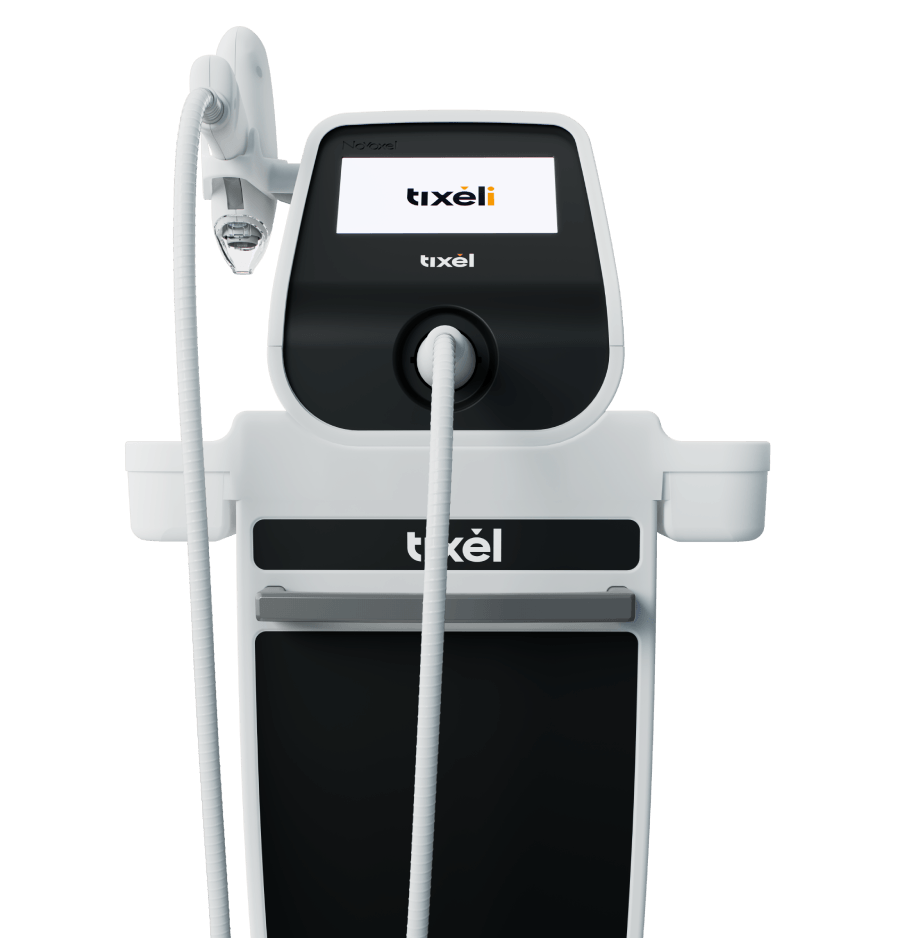
Tixel dry eye treatment is a non-laser dry eye treatment specifically used to treat meibomian gland dysfunction at the eyelid level.
Using the Tixel device, controlled heat is delivered through precise pulses to the eyelids. This process helps:
- Improve meibomian gland function
- Support the natural oil layer of the tear film
- Reduce tear evaporation and instability
By targeting blocked oil glands in the eyes, Tixel addresses one of the most common causes of evaporative dry eye, making it a focused and structured option for MGD treatment.
When to Seek MGD Treatment
You may need professional MGD treatment if:
- Symptoms persist despite self care
- Dryness and irritation continue daily
- Vision remains unstable
- Basic treatments do not provide relief
Early treatment helps restore gland function before symptoms become more difficult to manage.

Take the Next Step
Meibomian gland dysfunction is one of the leading causes of dry eye, and effective treatment depends on restoring how the glands work.
Tixel dry eye treatment provides a targeted approach to MGD treatment, helping improve tear stability and long-term eye comfort.