
Dry Eye Symptoms You Should Not Ignore:
Do you have Dry Eye Syndrome?

Open Your Eyes to Real Relief
Dry eye symptoms often begin as mild discomfort and become more noticeable over time. What starts as occasional irritation can develop into persistent dryness, unstable vision, and daily discomfort.
Dry eye syndrome affects the quality of your tear film, making it harder for your eyes to stay properly lubricated. As a result, symptoms can impact focus, visual clarity, and overall comfort throughout the day.
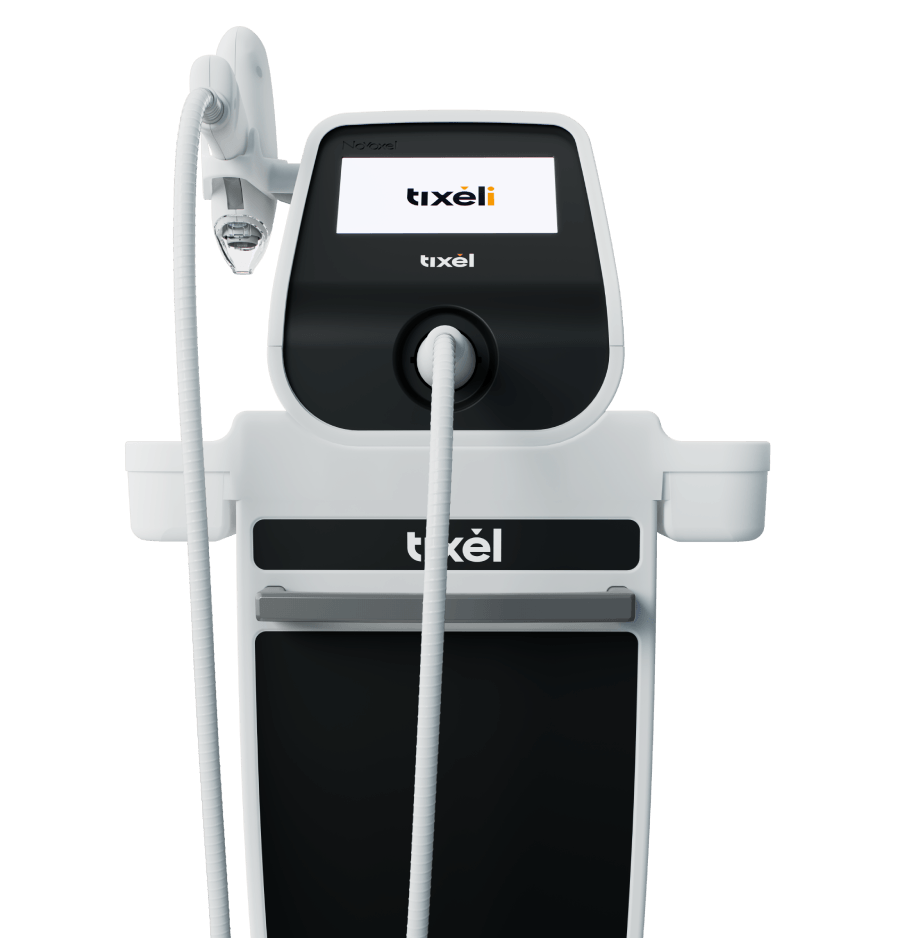
Recognizing symptoms of dry eye early helps you take the right next step, including seeking evaluation and identifying the most effective dry eye treatment for long-term relief, including Tixel dry eye treatment.
Common Dry Eye Symptoms
Dry eye symptoms can vary, but most people experience a combination of discomfort and visual changes.
Common symptoms include:
- Burning eyes or a stinging sensation
- Irritated eyes that feel uncomfortable throughout the day
- Blurry vision that comes and goes
- Sensitivity to light
- Eye fatigue during reading or screen use
These symptoms of dry eye may be constant or fluctuate depending on your environment and daily activity.
Blurry Vision and Dry Eye
Blurry vision is one of the most noticeable signs of dry eye.
Your tear film plays a key role in maintaining clear vision. When it becomes unstable, the surface of the eye is no longer smooth, which can cause vision to shift or lose sharpness.
This is why vision may improve briefly with blinking, then become blurry again.
Burning and Irritated Eyes
Burning eyes and irritated eyes are often early indicators of dry eye syndrome.
You may feel:
- A persistent dry or gritty sensation
- Discomfort that increases throughout the day
- Eyes that feel tired even without heavy use
These symptoms are commonly linked to reduced tear quality and increased tear evaporation.
Chronic Dry Eye Symptoms
When symptoms continue over time, they may indicate chronic dry eye.
Chronic dry eye symptoms can include:
- Ongoing irritation or discomfort
- Recurrent blurry vision
- Increased sensitivity to air, screens, or lighting conditions
Chronic symptoms often require more than temporary relief and may need a structured approach to management.


What Causes These Symptoms?
Dry eye symptoms are often associated with tear instability and meibomian gland dysfunction (MGD).
The meibomian glands help maintain the oil layer of the tear film. When this function is disrupted, tears evaporate too quickly, leading to dryness and irritation.
Other contributing factors may include:
- Aging
- Screen exposure
- Environmental conditions
- Contact lens use
When Should You Take Dry Eye Symptoms Seriously?
Dry eye symptoms should not be ignored when they begin to affect daily life.
You should consider seeing a specialist if:
- Symptoms interfere with reading, work, or screen use
- Vision becomes frequently unstable
- Discomfort persists despite basic care
- Symptoms continue to return
Early evaluation helps identify the cause and prevent symptoms from progressing.
Book Your Appointment
When to Seek Treatment for Dry Eye Symptoms
If dry eye symptoms continue or worsen over time, it may be time to move beyond temporary solutions. A proper evaluation helps identify the underlying cause and the right treatment approach.
Tixel dry eye treatment targets evaporative dry eye at the eyelid level, supporting tear function and improving long-term dry eye relief.