
Dry Eye Causes
Why Your Eyes Feel Dry and Irritated

Dry eye develops when your tear film, the outer layer of the eye that keeps the eye moist, can no longer stay stable and protect the surface of your eyes. This leads to dryness, irritation, and changes in vision that often become more noticeable over time.
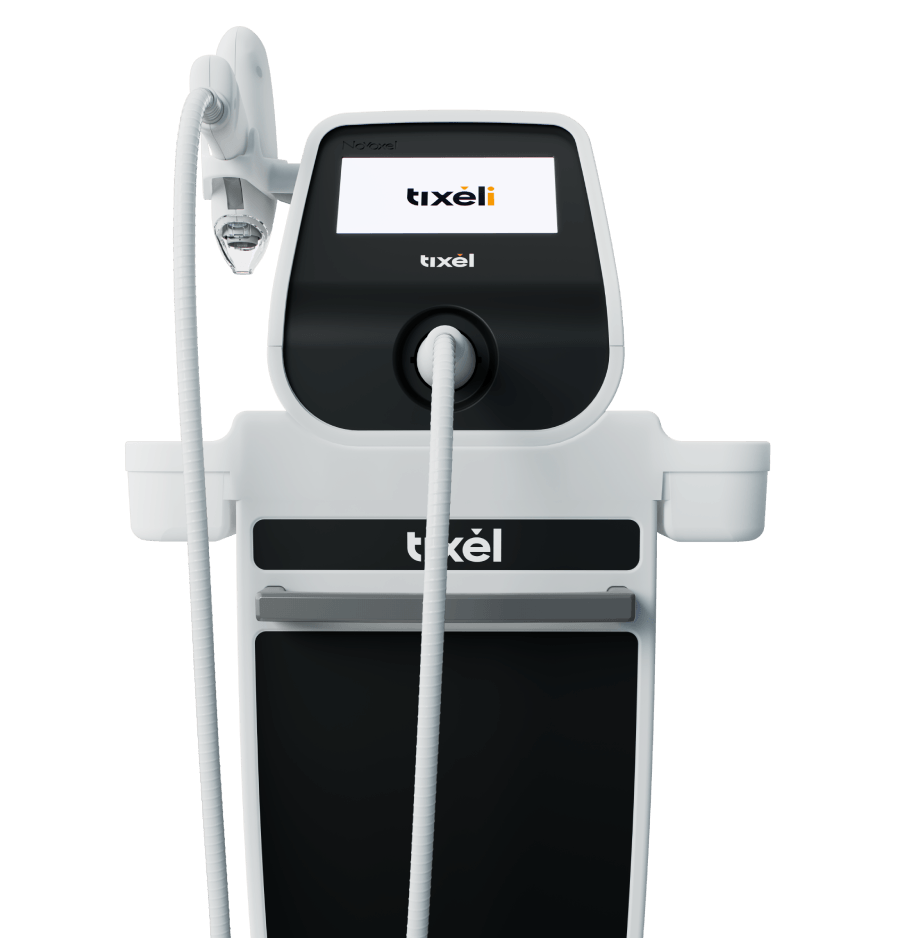
Understanding dry eye causes helps explain why symptoms persist and what needs to be addressed for long-term dry eye relief, including identifying treatments like Tixel dry eye treatment that target the underlying cause.
What Causes Dry Eyes?
Dry eye is typically caused by reduced tear production or changes in tear quality.
In many cases, the issue is not how many tears your eyes produce, but how well those tears function. When the tear film breaks down too quickly, the eye surface becomes exposed, leading to irritation and discomfort.
This is why identifying what causes dry eyes is essential for choosing the right treatment approach.
Meibomian Gland Dysfunction (MGD)
Meibomian gland dysfunction (MGD) is one of the most common causes of dry eye.
These glands produce the oil layer of the tear film, which slows down tear evaporation and keeps the eye surface stable.
When this function is disrupted:
- Tears evaporate too quickly
- The tear film becomes unstable
- The eyes become dry and irritated
MGD is a primary cause of evaporative dry eye and is often responsible for ongoing symptoms.
Screen Use and Digital Eye Strain
Frequent screen use can significantly contribute to dry eye.
When looking at screens:
- Blink rate decreases
- Tears are not spread evenly
- The eye surface remains exposed for longer periods
Over time, this leads to dryness, irritation, and visual fatigue.
Aging and Hormonal Changes
Aging affects how the eyes produce and maintain tears.
With age:
- Tear production may decrease
- Tear composition may change
- The tear film becomes less stable
Hormonal changes can also impact tear function, increasing the likelihood of dry eye symptoms.
Environmental Factors
Environmental conditions play a direct role in tear evaporation.
Common triggers include:
- Dry air or low humidity
- Wind exposure
- Air conditioning or heating
- Polluted environments
These factors reduce tear stability and increase the risk of dryness and irritation.
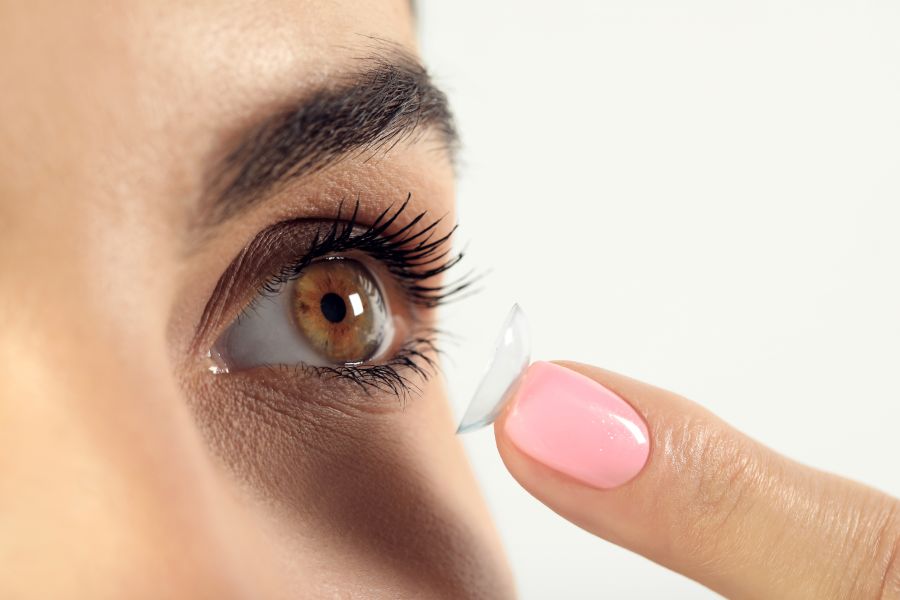
Contact Lens Use
Contact lenses can interfere with the natural tear film.
They may:
- Disrupt tear distribution
- Increase evaporation
- Reduce overall eye comfort
This can contribute to persistent dryness, especially with extended wear.
What Causes Chronic Dry Eye?
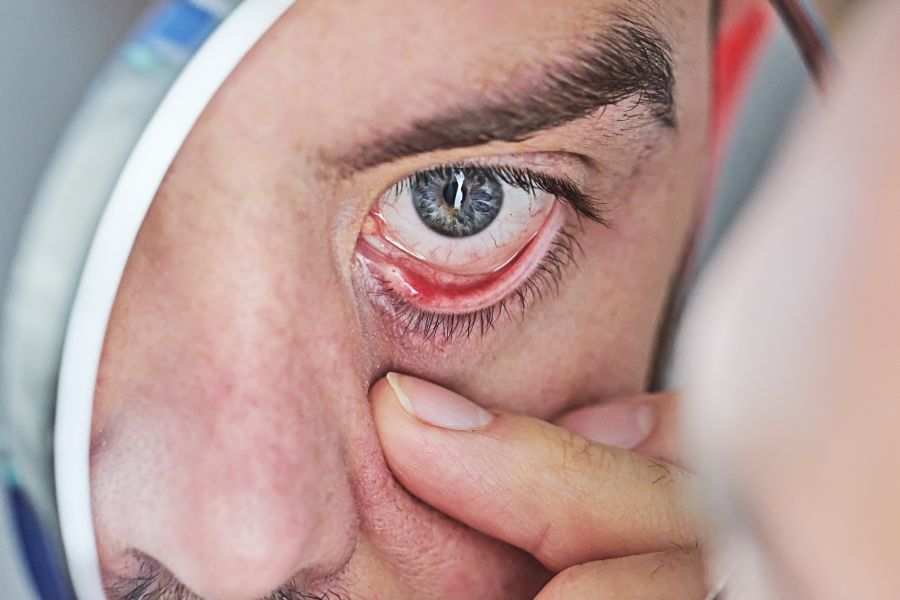
Chronic dry eye is usually linked to ongoing tear film instability rather than a temporary issue.
This often involves:
- Meibomian gland dysfunction
- Continuous tear evaporation
- Long-term exposure to contributing factors
Without addressing the underlying cause, symptoms tend to return or worsen over time.
When Should You Address the Cause of Dry Eye?
Dry eye often continues when the root cause is not treated.
You should consider evaluation if:
- Symptoms persist or worsen
- Daily activities are affected
- Vision becomes unstable
- Basic care does not provide relief
Identifying the cause allows for a more targeted and effective approach.

When to Seek Treatment for Dry Eye Causes
Dry eye is often driven by tear instability and meibomian gland dysfunction, which means treatment needs to address how the tear film functions, not just the symptoms.
Tixel dry eye treatment targets evaporative dry eye at the eyelid level, supporting meibomian gland function and improving tear stability.