Dry Eye Syndrome Treatments
Advanced Options for Lasting Relief

Dry eye care plays an important role in managing symptoms and maintaining long-term eye comfort. Simple daily habits help protect the eye surface, support tear stability, and reduce irritation caused by dryness.
Dry eye syndrome self care focuses on consistent actions that keep the eyes hydrated and reduce stress on the tear film. With the right approach, many people can improve symptoms and prevent dry eyes from worsening over time.
Daily Eye Care Routine for Dry Eyes
A structured routine helps maintain tear function and reduce dryness throughout the day.
Key steps include:
- Taking regular breaks during screen use
- Blinking fully and frequently to spread tears evenly
- Adjusting lighting to reduce eye strain
- Staying properly hydrated
These habits support eye comfort and help reduce daily symptoms.
Dry Eye Care Tips for Everyday Comfort
Daily habits play a major role in reducing irritation and supporting dry eye relief.
Effective dry eye care tips include:
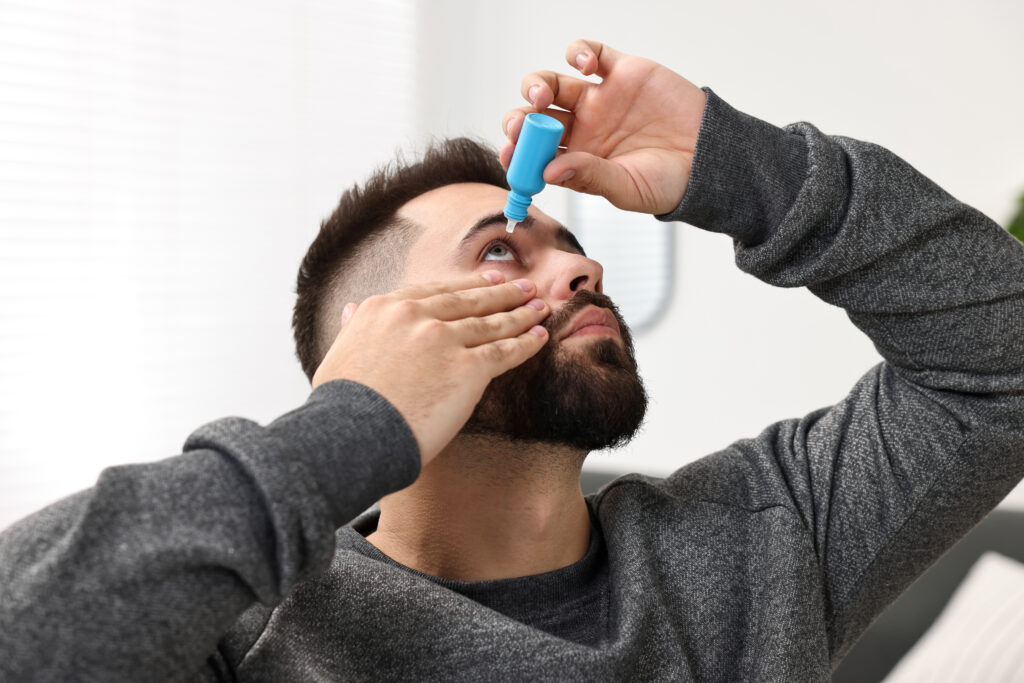
- Using lubricating eye drops as needed
- Avoiding direct airflow from fans, heating, or air conditioning
- Wearing protective eyewear in dry or windy environments
- Maintaining proper hydration
These techniques help reduce irritation and improve comfort during daily activities.
Building an Effective Eye Care Routine
An effective eye care routine combines consistent habits with targeted support for tear stability.
A strong routine may include:
- Morning and evening eye care habits
- Regular use of eye care products for dry eyes
- Warm compresses to support eyelid health
- Limiting environmental triggers that worsen symptoms
This approach helps improve tear stability and supports long-term eye health.

Supporting Eyelid and Gland Function
Healthy eyelid function is essential for effective dry eye syndrome self care.
The meibomian glands produce the oil layer of the tear film. When these glands are not functioning properly, tears evaporate more quickly.
To support gland function:
- Apply warm compresses regularly
- Maintain eyelid hygiene
- Follow a consistent care routine
These practices help improve tear retention and reduce dryness over time.
Environmental and Lifestyle Adjustments
Environmental conditions can directly affect dry eye symptoms and tear stability.
To prevent dry eyes, consider:
- Using a humidifier in low-humidity environments
- Limiting prolonged screen exposure
- Taking breaks during visually demanding tasks
- Reducing exposure to smoke, dust, and pollutants
These adjustments help support eye comfort and reduce daily irritation.
Preventing Dry Eyes Over Time
Preventing dry eyes requires consistency and awareness of daily habits.
A structured approach can:
- Reduce symptom flare-ups
- Improve comfort during screen use and reading
- Support long-term tear stability
While self care plays an important role, it may not fully address chronic dry eye or underlying gland dysfunction.
Book Your AppointmentWhen Self Care Is Not Enough
In some cases, symptoms continue despite consistent care. This often indicates tear instability or meibomian gland dysfunction that cannot be fully managed with daily habits alone.

When to Seek Treatment for Dry Eye
When symptoms persist, treatment should focus on improving how the tear film functions.
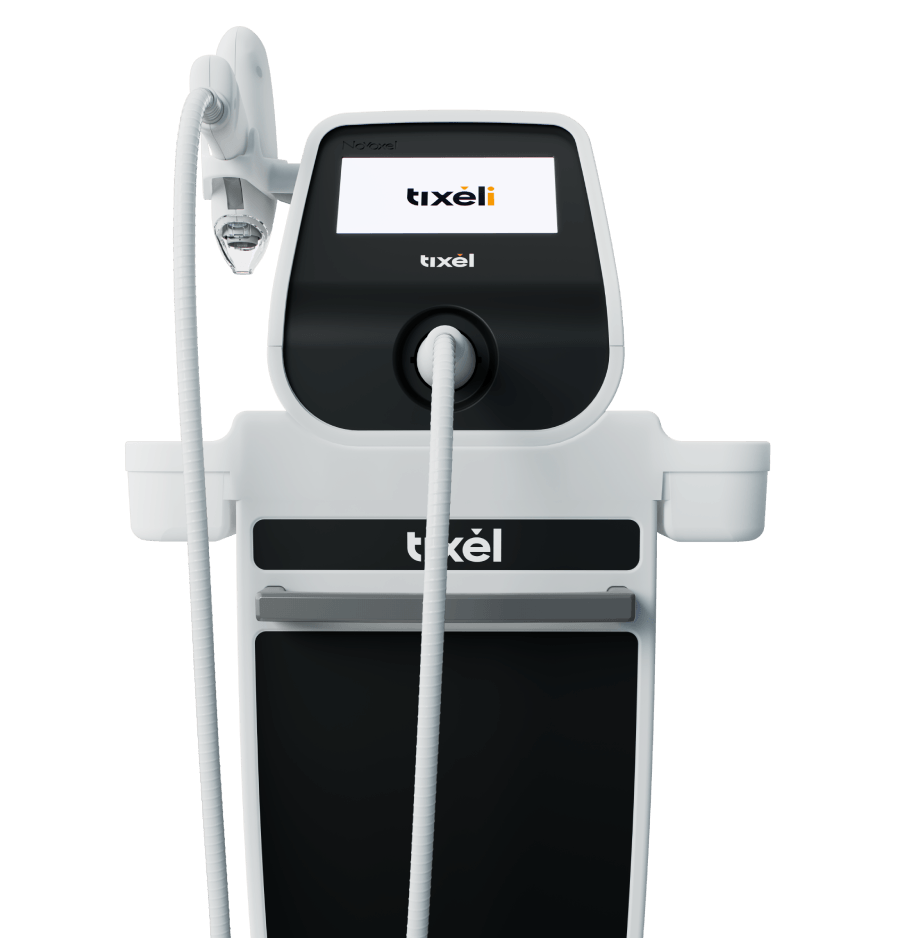
Tixel dry eye treatment is designed to address evaporative dry eye at the eyelid level. Using the Tixel-i device, controlled heat is delivered through precise pulses to support meibomian gland function and improve tear stability.
This approach helps restore tear quality rather than relying on temporary relief, making it a structured option for long-term dry eye management.